-600x900.png "DualScope 200(透明底)")
-100x100.png "DualScope 200(透明底)")
Nanoscale Scanning Electrochemical Analytical System
$0.00
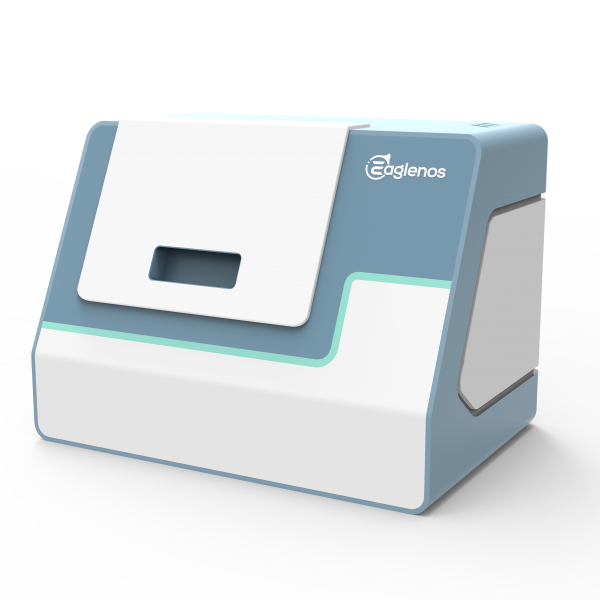
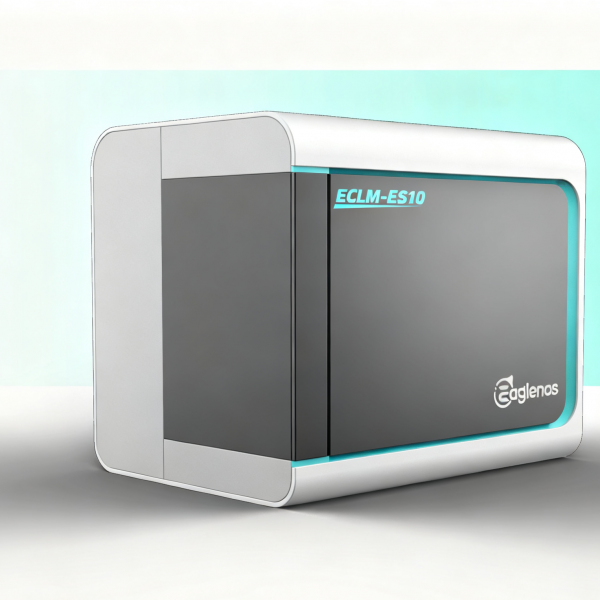
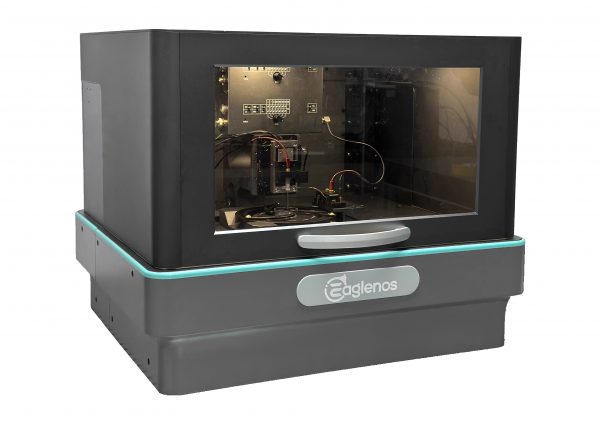
As a high-end domestic scientific research instrument independently developed by Eaglenos Sciences the DualScope 100 Nanoscale Scanning Electrochemical Analysis System innovatively integrates three core technical principles: Scanning Electrochemical Cell Microscopy (SECCM), Scanning Ion Conductance Microscopy (SICM), and Scanning Electrochemical Microscopy (SECM). Equipped with independently developed high-sensitivity detection and precise control modules, it realizes high-resolution in-situ analysis of multi-dimensional parameters such as morphology and electrochemical performance of materials at the nanoscale, providing solid technical support for refined research in scientific research and industrial fields.
Core Product Advantages
- Multi-dimensional Integration for Precision Imaging: Breaking the constraints of single-measurement technologies, the system enables simultaneous imaging of electrochemical signals and 3D morphology. Boasting a resolution of 50 nm in the X-Y plane and an ultra-high 5 nm in the Z-axis, it clearly visualizes nanoscale details—from micro-area defects on material surfaces to intricate cellular structures. With an electrochemical module featuring 100 fA current resolution, it accurately captures subtle electrochemical signal fluctuations, delivering reliable data to underpin mechanism research.
- Intelligent Adaptability with User-friendly Operation: Equipped with a high-precision piezoelectric ceramic motion system and an intelligent feedback module, the system is paired with a research-grade inverted microscope. It supports seamless switching between 10X, 20X, and 40X objective lenses, ensuring flexible adaptability to samples of varying sizes and types for hassle-free detection.
- Multi-mode Synergy for Comprehensive Functionality: Integrating three core scanning modes—SECM, SECCM, and SICM—the system transcends the limitations of single SECM systems. It is well-suited for diverse scenarios, including material electrochemical mechanism studies and non-destructive living cell characterization. Moreover, mode switching enables cross-validation of multi-dimensional data, significantly expanding both the testing scope and research depth.
Technical Parameters
| Nanopositioner |
| Travel range: 100 µm × 100 µm × 30 µm Resolution: 1 nm (X, Y), 0.2 nm (Z) |
| Linear Stage
DualScope 100 Travel range: 100 mm × 100 mm × 30 mm Resolution: 50 nm DualScope 200 Travel range: 30 mm × 30 mm × 30 mm Resolution: 50 nm |
| Integrated System |
| Resolution: 50nm (XY direction), 5nm(Z direction) |
| Scanning probe microscopy technique |
| SECM、SECCM、SICM、SVET |
| Potentiostats |
| Max output voltage: ±10 V Current range: ±10 pA ~ ± 10 mA Max current output: ± 30mA |
| Current resolution: 1 pA Current precision:±0.2% Input impedance:1012 Ω |
| Output impedance: 50 Ω Sampling frequency:500 kHz ADC resolution:16 bit |
| Input bias current: <10 pA Measured noise: 10 pA (500kHz, 100mM KCl) Instrument noise:100 fA |
| Optical System |
| DualScope 100
Coaxial Side Microscope; Camera: Auto-focus, 8-megapixel; Connection: HDMI, USB, WiFi STA, WiFi AP Objective Lens: 5X long focal length objective; |
| DualScope 200
Equipped with Olympus IX73; Eyepiece: 10X; Objective Lenses: 4X, 10X, 20X, 40X |
| Mode | DualScope 100, DualScope 200 |
|---|